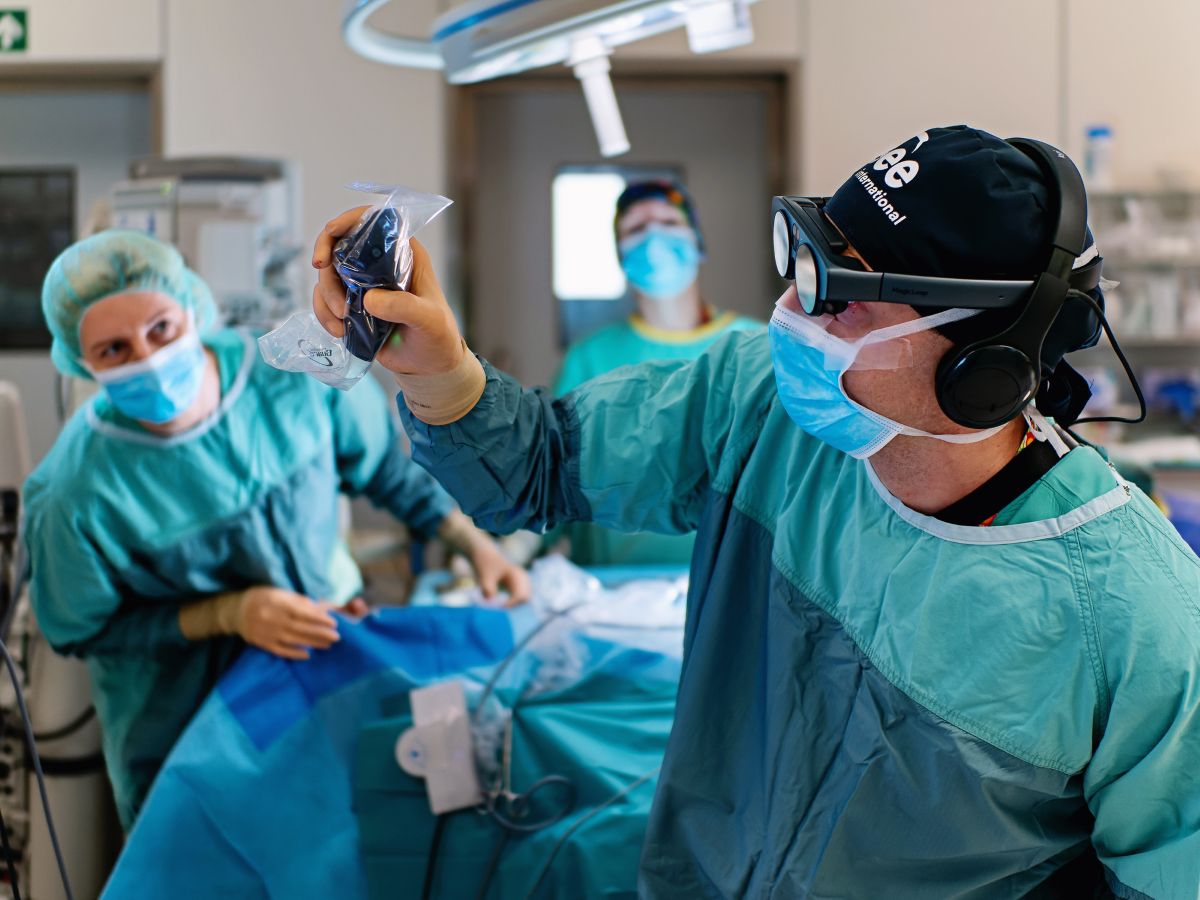
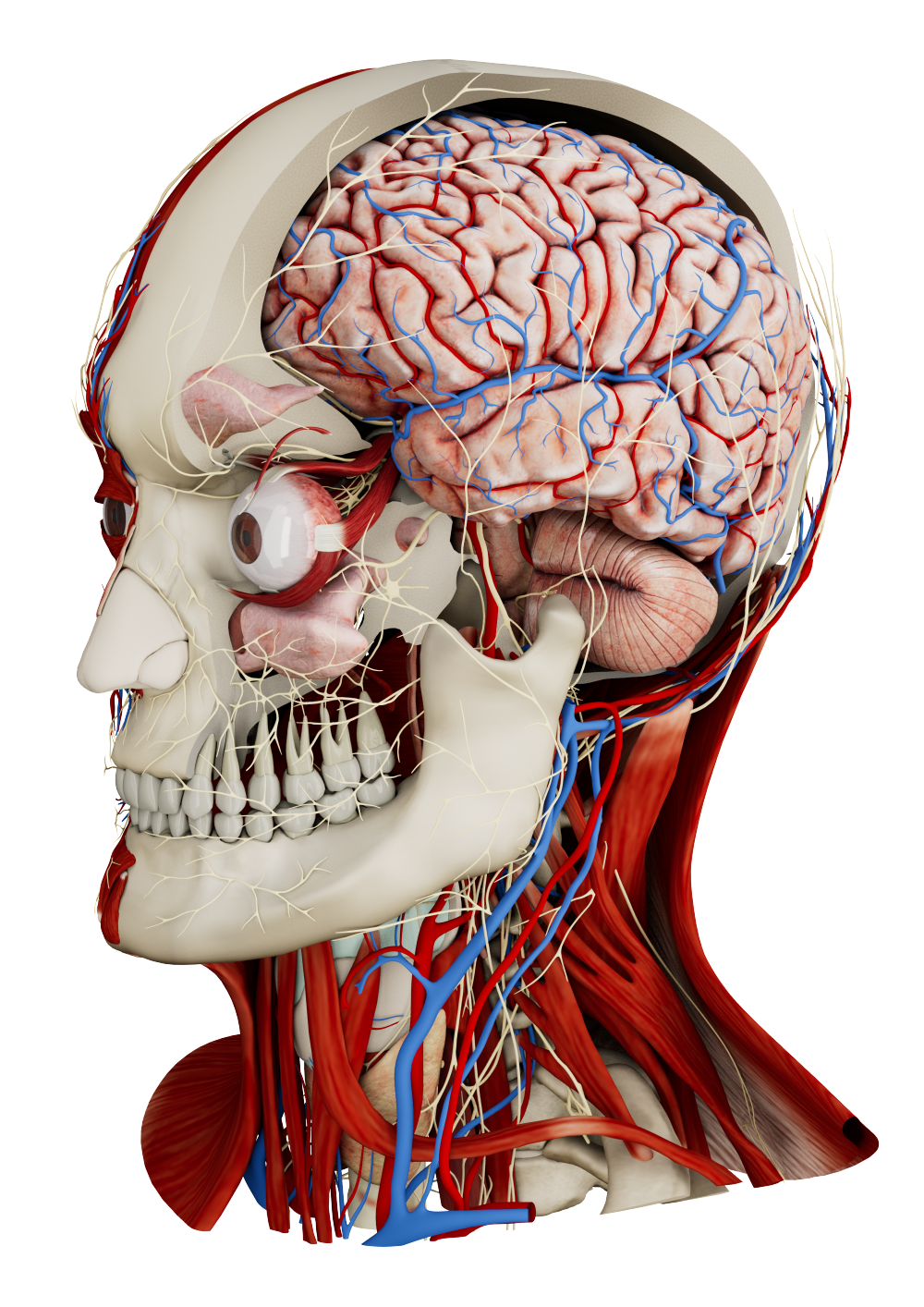
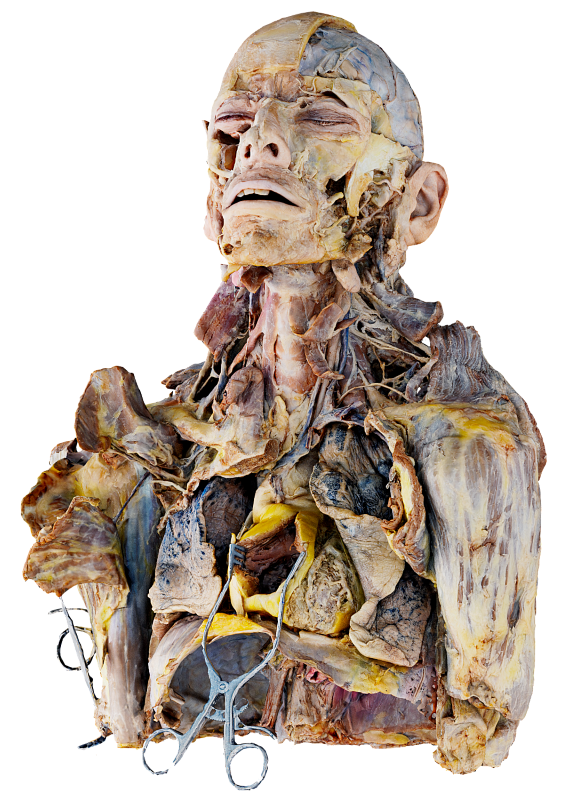
Immersive technologies such as virtual reality, augmented, and mixed reality are increasingly being applied in urology to enhance surgical planning and intraoperative navigation, with a focus on patient-centered approaches. By providing 3D visualizations of complex anatomy, real-time overlays, and interactive simulations, these tools help surgeons anticipate challenges, improve precision, and reduce risks across a variety of procedures, including robotic-assisted surgeries.
Important notice regarding surgical planning and professional clinical use
Specialized functionalities for surgical planning and pre-operative professional applications are exclusive to Medical Imaging XR PRO FDA. This version is not yet available. Information about the release date will be published here soon.
Medicalholodeck is currently undergoing the required FDA (U.S. Food and Drug Administration) and CE (Conformité Européenne) certification processes. Our team is working diligently to ensure full compliance with all regulatory standards, and we expect Medical Imaging XR PRO to be available in both the United States and the European Union soon.
For updates on product releases, regulatory progress, and availability, or for any related inquiries, please contact info@medicalholodeck.com.
The growing popularity of immersive technologies has demonstrated their usefulness in preoperative planning across various surgical fields. In urology, such approaches can aid percutaneous nephrolithotomy, an endoscopic procedure for fragmenting and removing kidney stones.
The preoperative phase utilized mixed reality technology to project 3D reconstructions from CT urography into real space, visualizing the complex renal anatomy of fifteen patients with complex upper urinary stones. Surgeons used these models to select target calyces, plan puncture channels, and simulate the surgical approach, anticipating anatomical challenges. The results showed high consistency between planned and actual access, highlighting MR's potential to guide more precise and safer procedures.
Augmented reality shows significant promise as an intraoperative navigation tool in kidney transplantation. While robotic-assisted kidney transplantation reduces morbidity compared to the open approach, it inherently lacks tactile feedback, preventing the surgeon from palpating arterial plaques in the recipient’s vessels, and thus increasing risk during vascular clamping and arteriotomy.
During the procedures, 3D models of the iliac arteries, including the location and extent of atheromatous plaques, were superimposed on the recipients' anatomy. The surgeons used intraoperative ultrasound to confirm plaque positions, and then proceeded with vascular clamping and arteriotomy guided by the AR overlays, addressing one of the main limitations of robotic-assisted kidney transplantation.
An AI-driven augmented reality system was used for selective biopsy during nerve-sparing robot-assisted radical prostatectomy. After completing the extirpative phase, a 3D model of the patient’s prostate was overlaid on the surgical field using AI-driven augmented reality to identify areas where cancer might have spread beyond the gland. Surgeons then performed selective excisional biopsies of these regions, confirming residual cancer in most patients with more advanced tumors (pT3) while sparing uninvolved nerves. This approach demonstrated high accuracy in detecting tumor spread and maintained low positive surgical margin rates, highlighting its potential to enhance the balance between oncologic safety and functional preservation.
Ureteroscopy is a minimally invasive technique used to access the renal collecting system via the urinary tract, often for the treatment of kidney stones or tumors. Its challenges stem from the ureteroscope's limited field of view, which makes navigating the kidney's complex branching anatomy difficult and can result in incomplete inspection.
To overcome these limitations, surgeons evaluated an augmented reality guidance system that integrates preoperative 3D imaging, electromagnetic tracking of the ureteroscope tip, and holographic visualization through a head-mounted display. Using 3D-printed kidney phantoms, they compared procedures performed with and without the system. These findings suggest that AR can enhance orientation and support safer, more thorough ureteroscopic procedures.
Virtual reality technology enables deeply immersive environments that transcend geographical boundaries, allowing medical teams across institutions to convene in a shared digital space. Specialists from different hospitals met in the metaverse to collaboratively examine detailed 3D reconstructions of patients’ kidneys. They were able to inspect and manipulate vascular anatomy surrounding tumors and assess spatial relationships. Through this collaborative VR workflow, the teams refined and optimized patient-specific minimally invasive strategies for partial nephrectomy.
Urology is increasingly benefiting from immersive technologies that enhance visualization, surgical precision, and clinical decision-making. By integrating 3D modeling and real-time guidance, these tools enable surgeons to plan and navigate complex procedures with greater confidence, improving outcomes, reducing risks, and fostering more efficient, collaborative care.
Medicalholodeck integrates with secure hospital systems, providing PACS access, HIPAA-compliant data handling, and full patient data security. It runs on stereoscopic 3D displays, VR headsets, mobile devices, and standard Windows systems, enabling flexible use in hospitals, classrooms, and training centers.
Specialized features for surgical planning are exclusive to Medical Imaging XR PRO. Currently, Medicalholodeck is available only for educational use. The platform is undergoing FDA and CE certification, and we expect Medical Imaging XR PRO to be available soon in the U.S. and EU markets.
For updates, regulatory news, availability, or questions contact info@medicalholodeck.com.