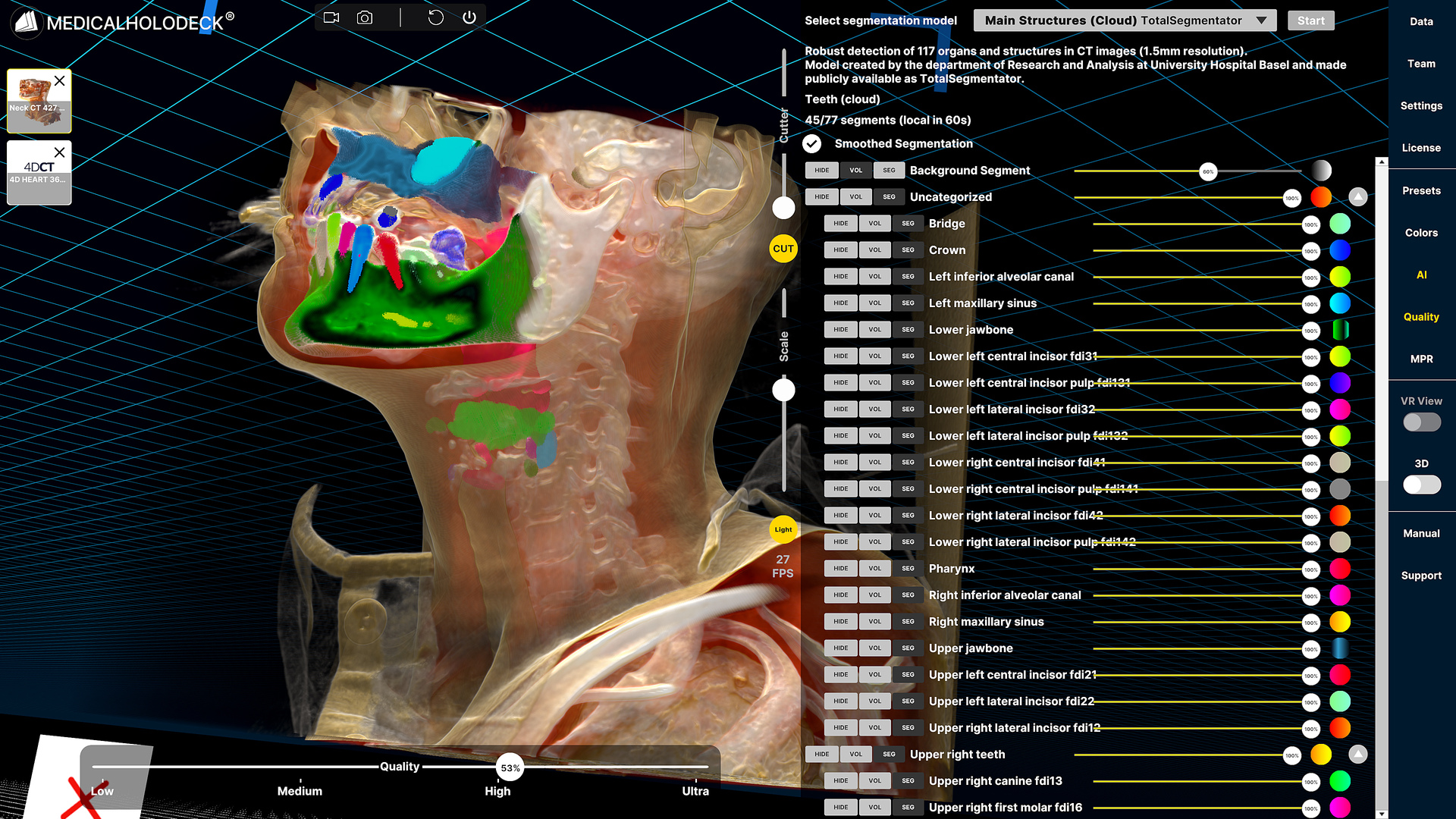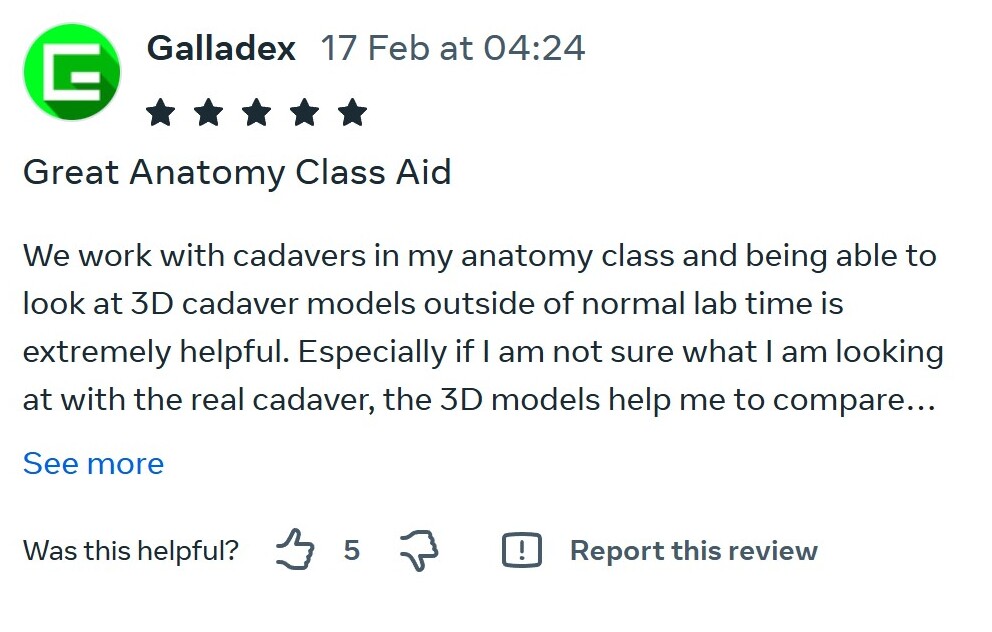


AI segmentation and digital twins in medical education
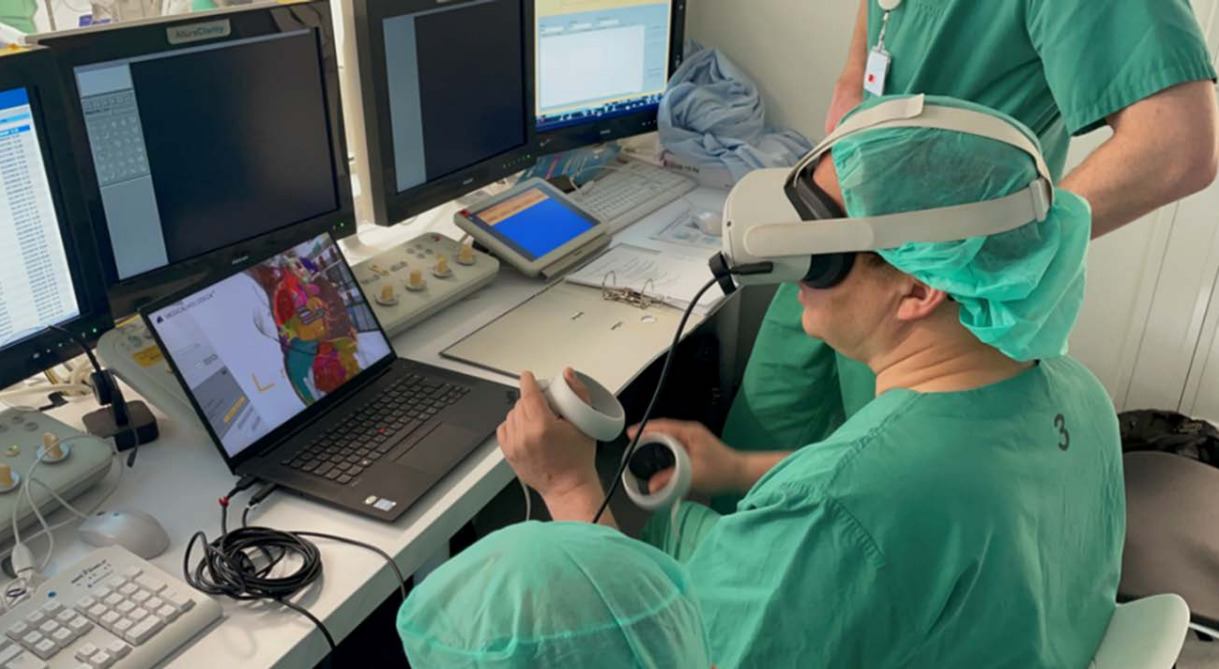
As 3D technologies continue to evolve in medicine, this study demonstrates how patient-specific virtual models are beginning to reshape medical education with Medicalholodeck.
阅读更多As 3D technologies continue to evolve in medicine, this study demonstrates how patient-specific virtual models are beginning to reshape medical education with Medicalholodeck.
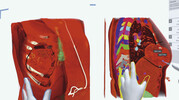
阅读更多Medicalholodeck, together with its Polish partner Holo Vectors, is touring medical universities across Poland. The Holotour Poland 2026 brings the latest spatial imaging and medical education technology directly to students, clinicians, and educators.
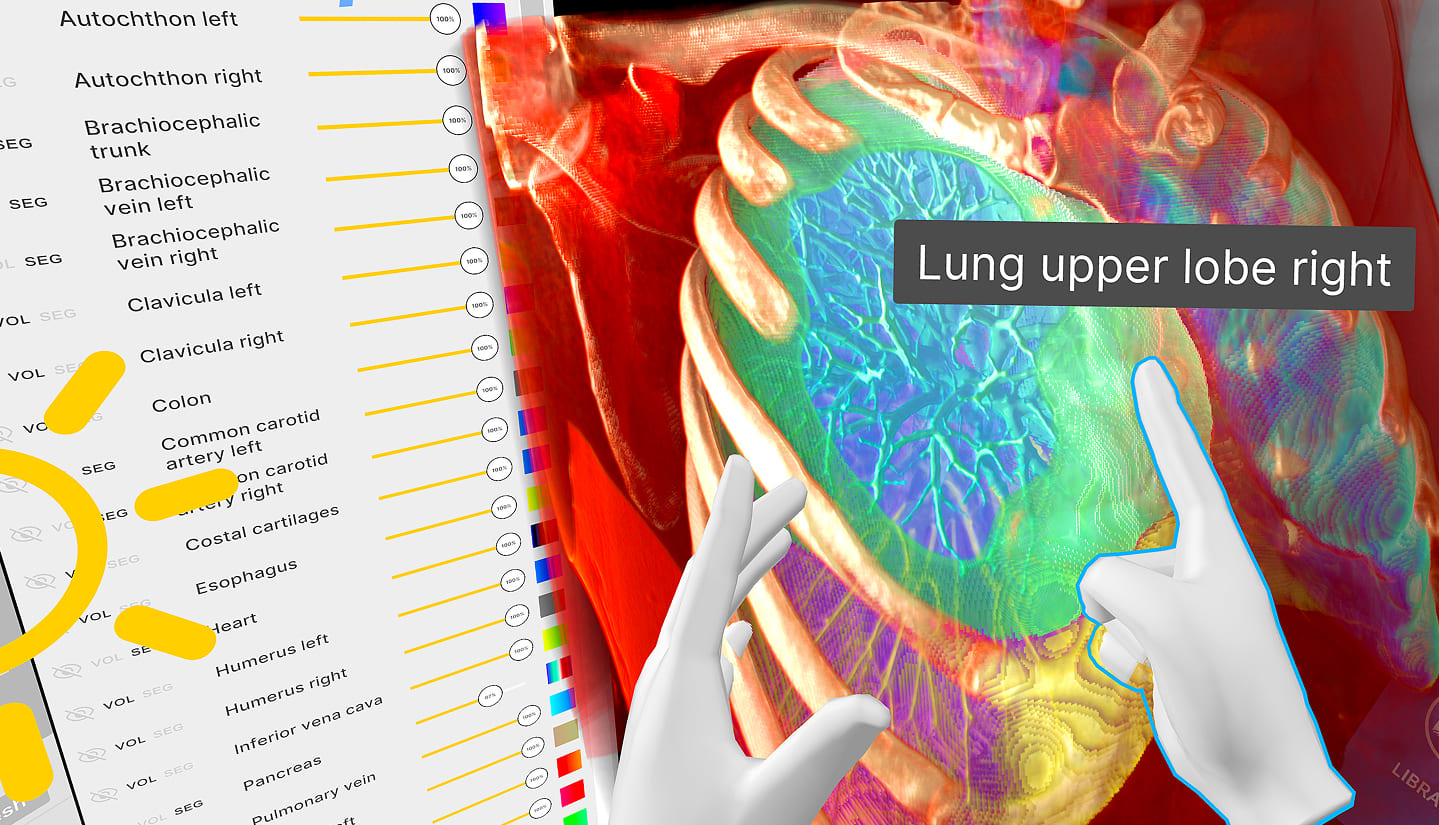
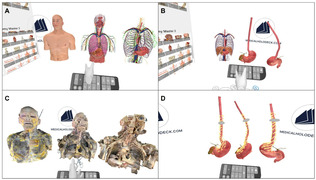
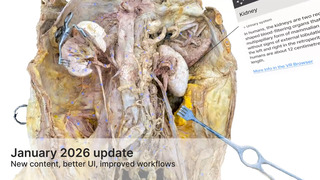
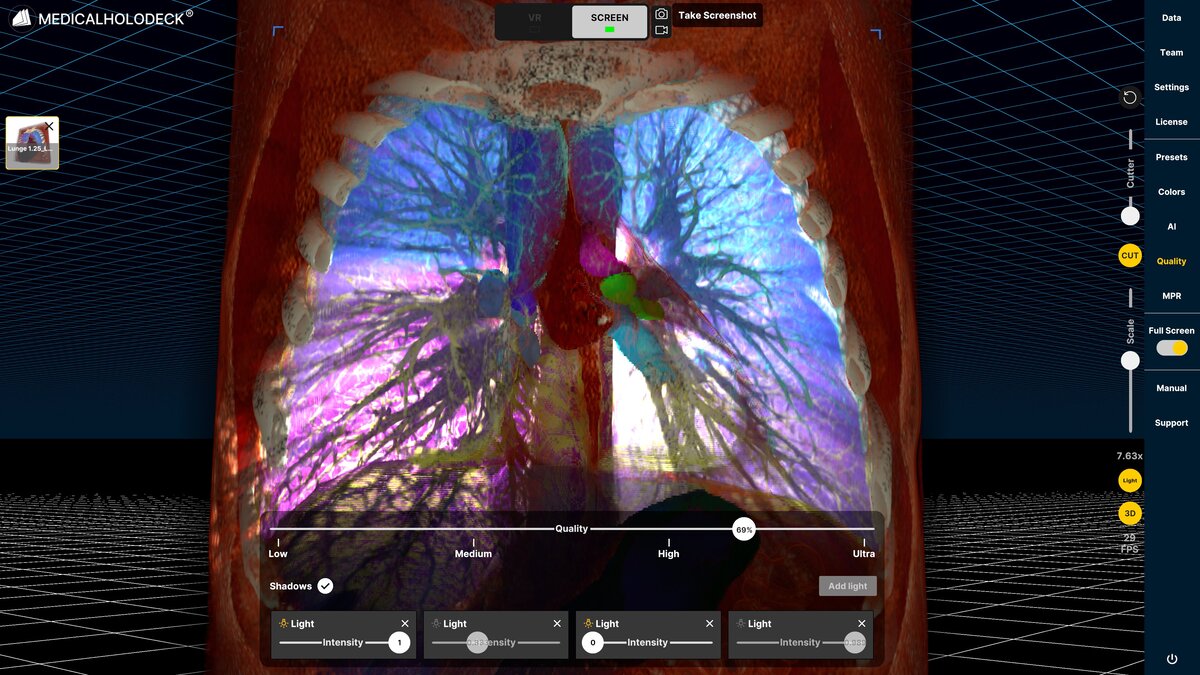
阅读更多Better imaging quality, bigger teams in TeamXR, and segmentation improvements: This update brings sharper, faster imaging with raymarch rendering, allows TeamXR sessions of up to 40 users for more effective collaboration, and enhances segmentation with smoother visuals, intuitive editing, and labeled structures.
阅读更多
用户故事
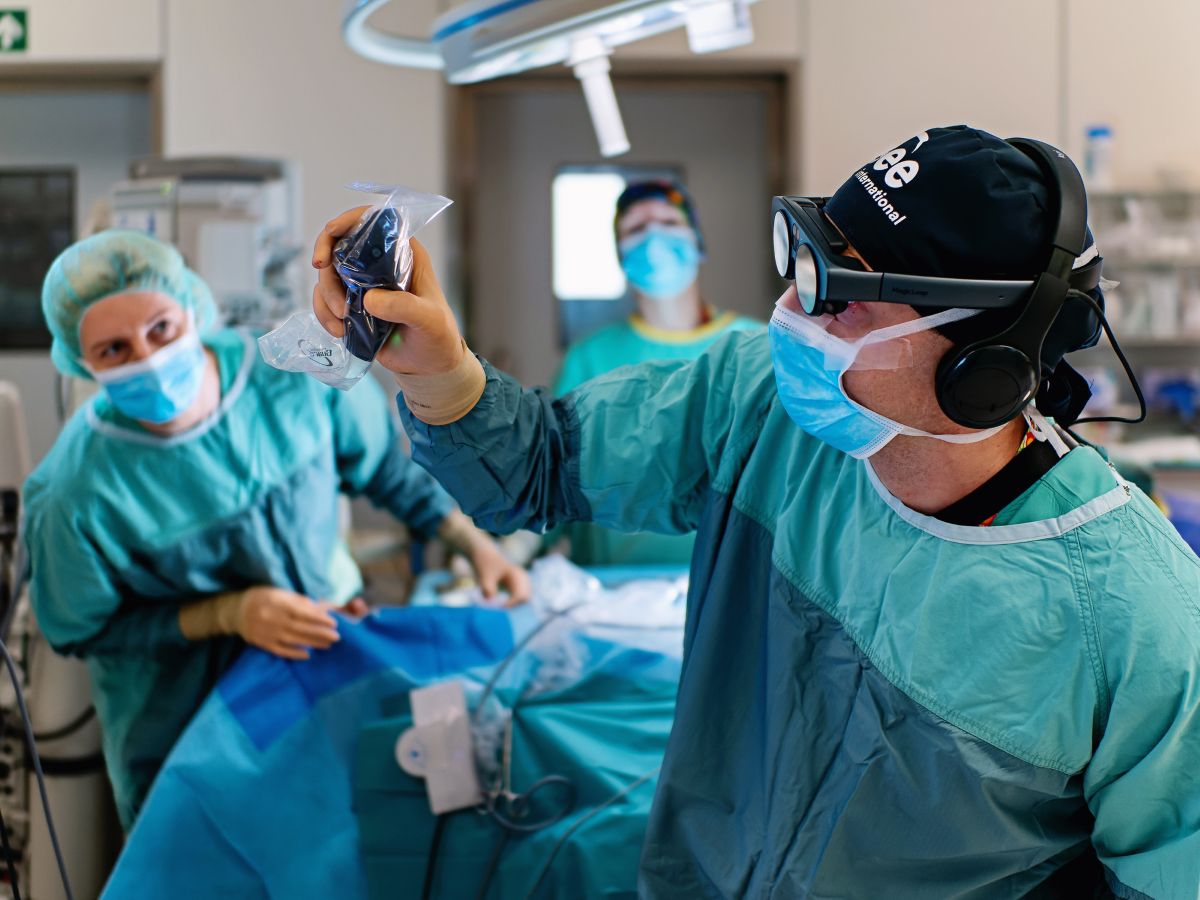
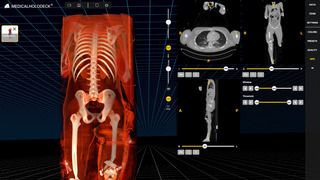
Minimally invasive spine surgery (MISS) works through very small anatomical corridors, reducing tissue damage and recovery time. This also limits orientation: the operative field is narrow, depth perception constrained, and landmarks may be obscured. The learning curve, especially for younger surgeons, is steep.
阅读更多
出版物
Virtual reality lets surgeons explore patient anatomy in 3D before entering the operating room, facilitating complex tear duct procedures. A recent study from the Military Institute of Medicine in Warsaw shows its use in endoscopic dacryocystorhinostomy.
阅读更多
出版物
Mixed reality, alongside other spatial technologies, is increasingly adopted in medicine, particularly in surgery, where they contribute to improved clinical outcomes and enhanced patient safety. A recent literature review aimed to assess the role of mixed reality in surgical practice.
阅读更多