
 アップデート
新機能:6月アップデート
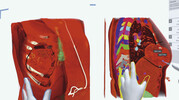
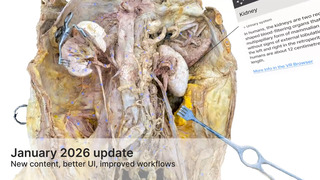
6月のバージョン1.13.1アップデートでは、新たにリリースされたWindows版Spatial OSに改良が加えられました。新機能と機能強化により、2Dおよび3Dディスプレイ、さらにVRでの作業がこれまで以上にスムーズで快適になりました。
続きを読む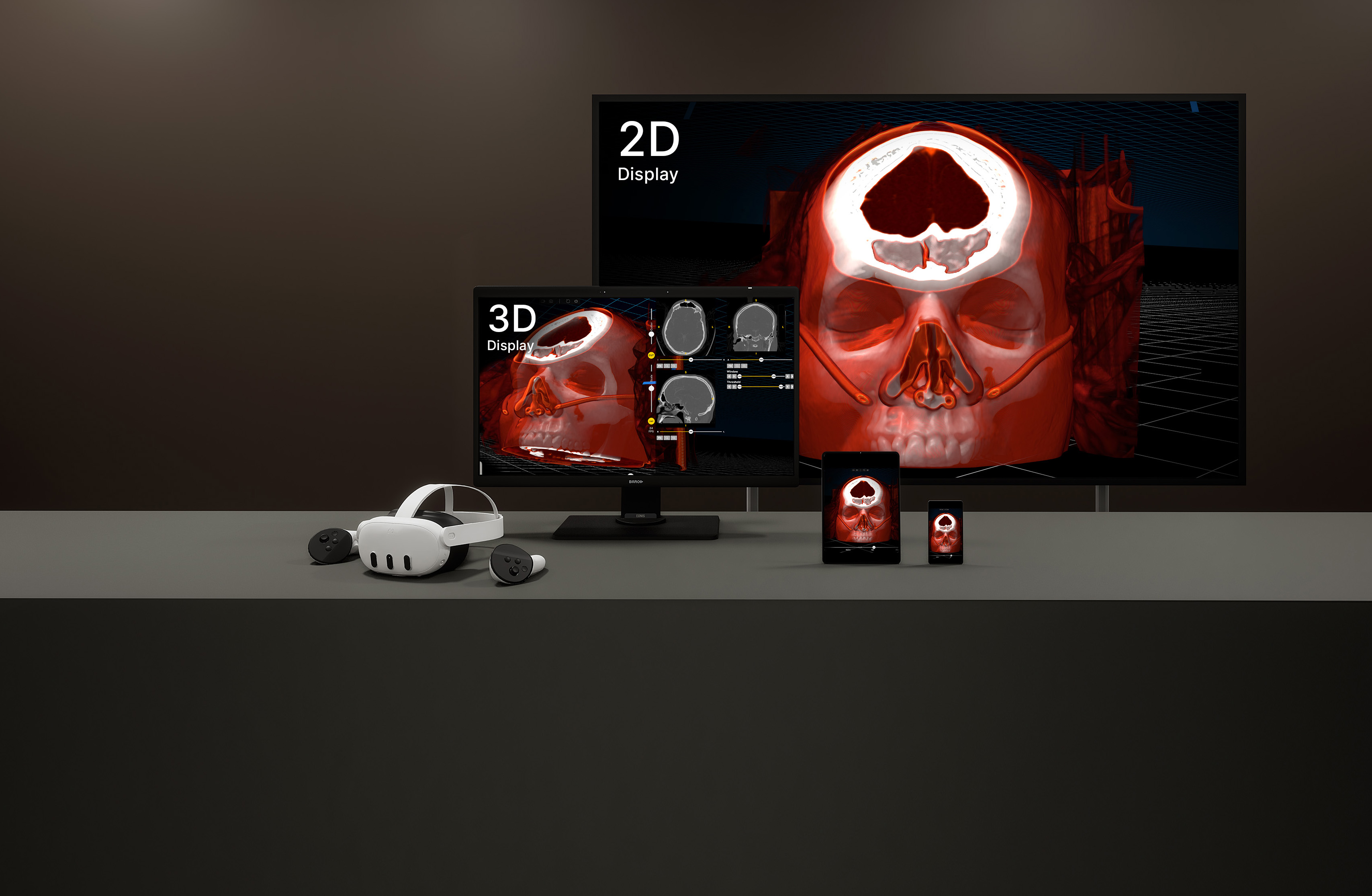
Nobody online
at the moment.
Please leave a message.



 アップデート
6月のバージョン1.13.1アップデートでは、新たにリリースされたWindows版Spatial OSに改良が加えられました。新機能と機能強化により、2Dおよび3Dディスプレイ、さらにVRでの作業がこれまで以上にスムーズで快適になりました。
続きを読む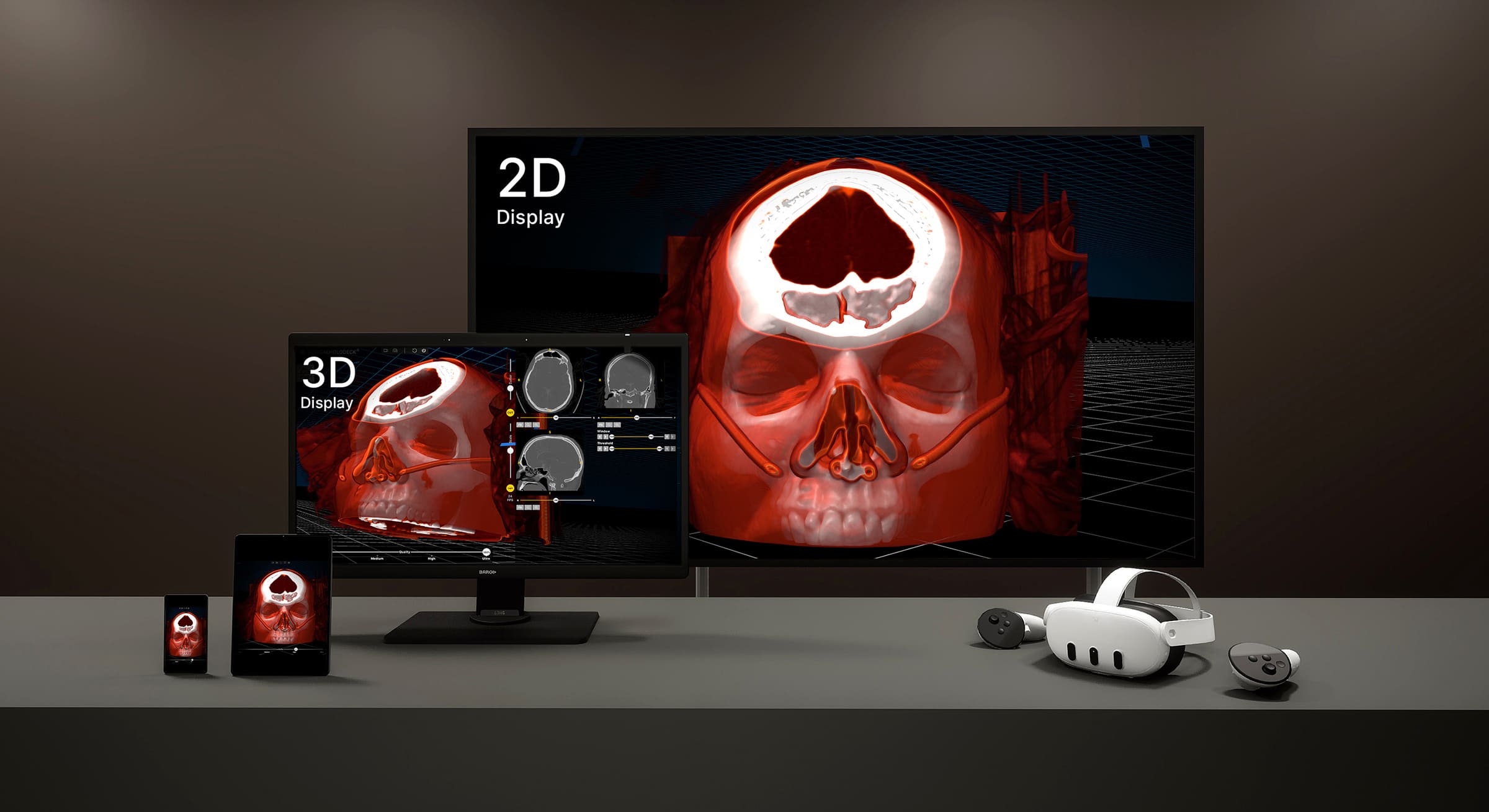 アップデート
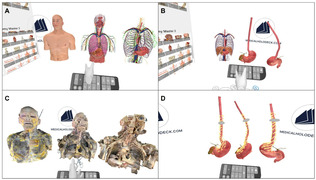
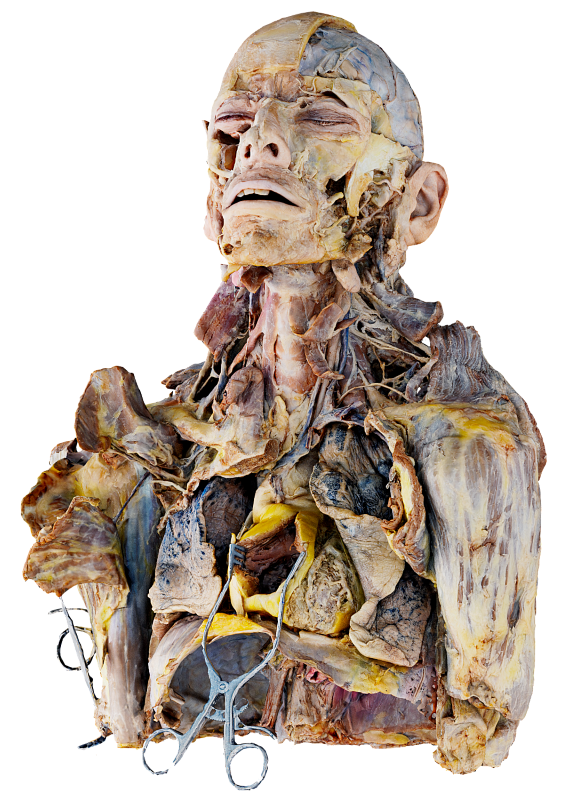
Spatial OSは空間医療のためのオペレーティングシステムです。立体3Dディスプレイ、VRヘッドセット、標準2D画面を同時に実行できます。医療画像や人体解剖をついに本物の3Dで確認できます。
続きを読む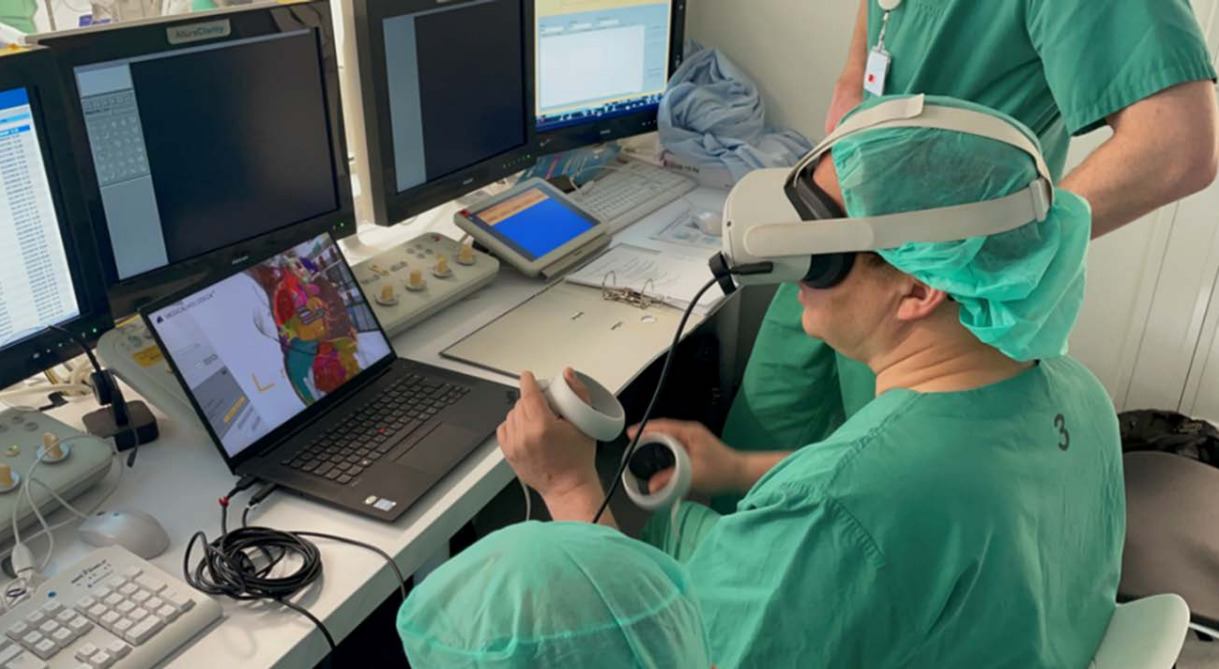 出版物
出版物
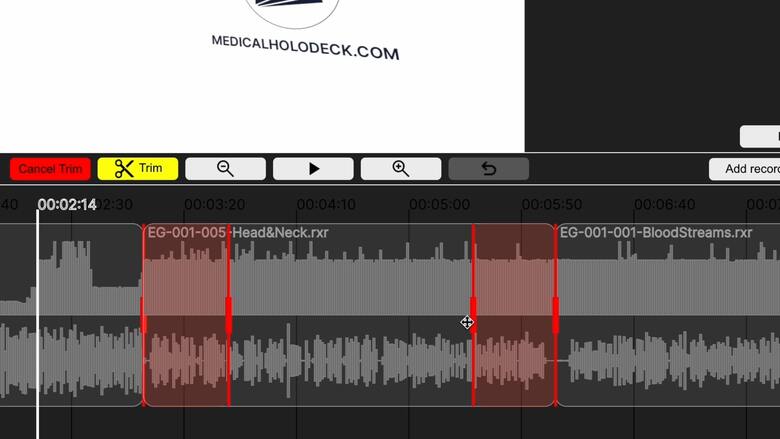
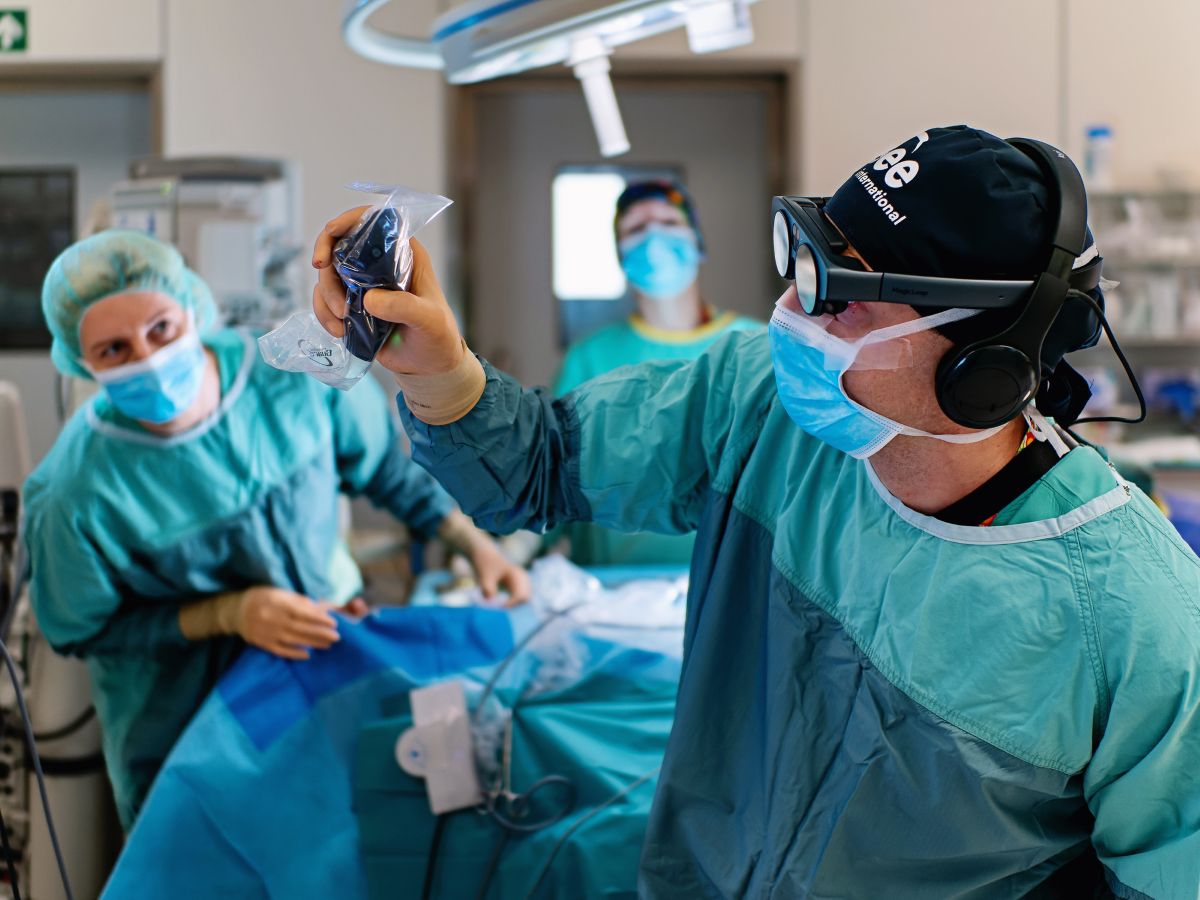
血管と弁の位置を正確に評価することは、安全な経カテーテル大動脈弁植込み術(TAVI)に不可欠です。デュッセルドルフ大学の前向き研究では、このプロセスに3D没入環境を追加することが検討されました。
続きを読む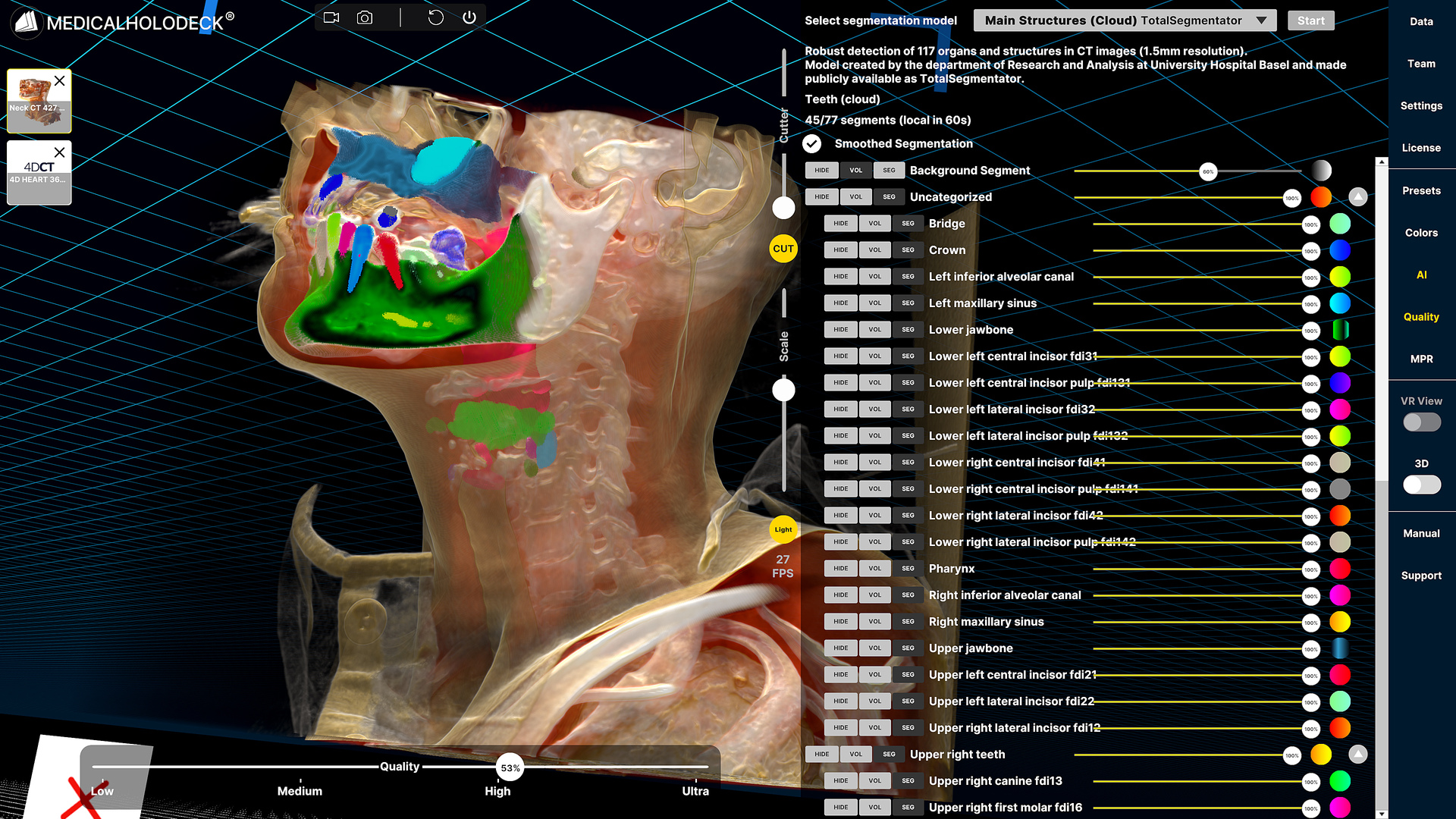 ニュース
ニュース
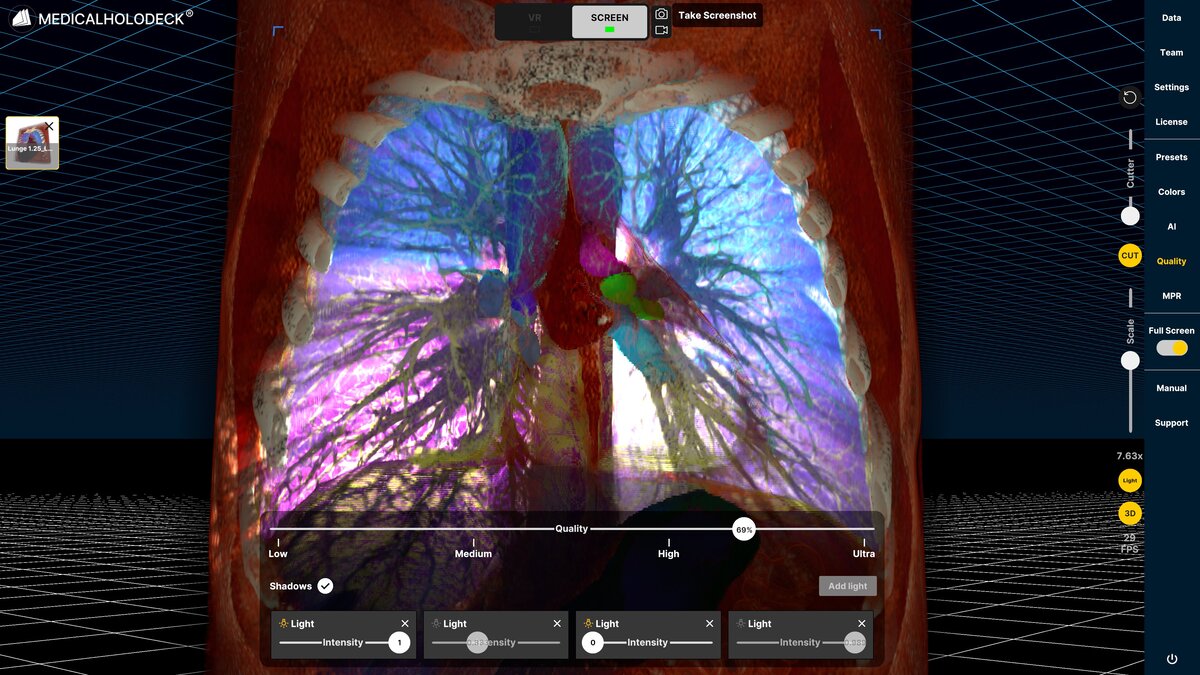
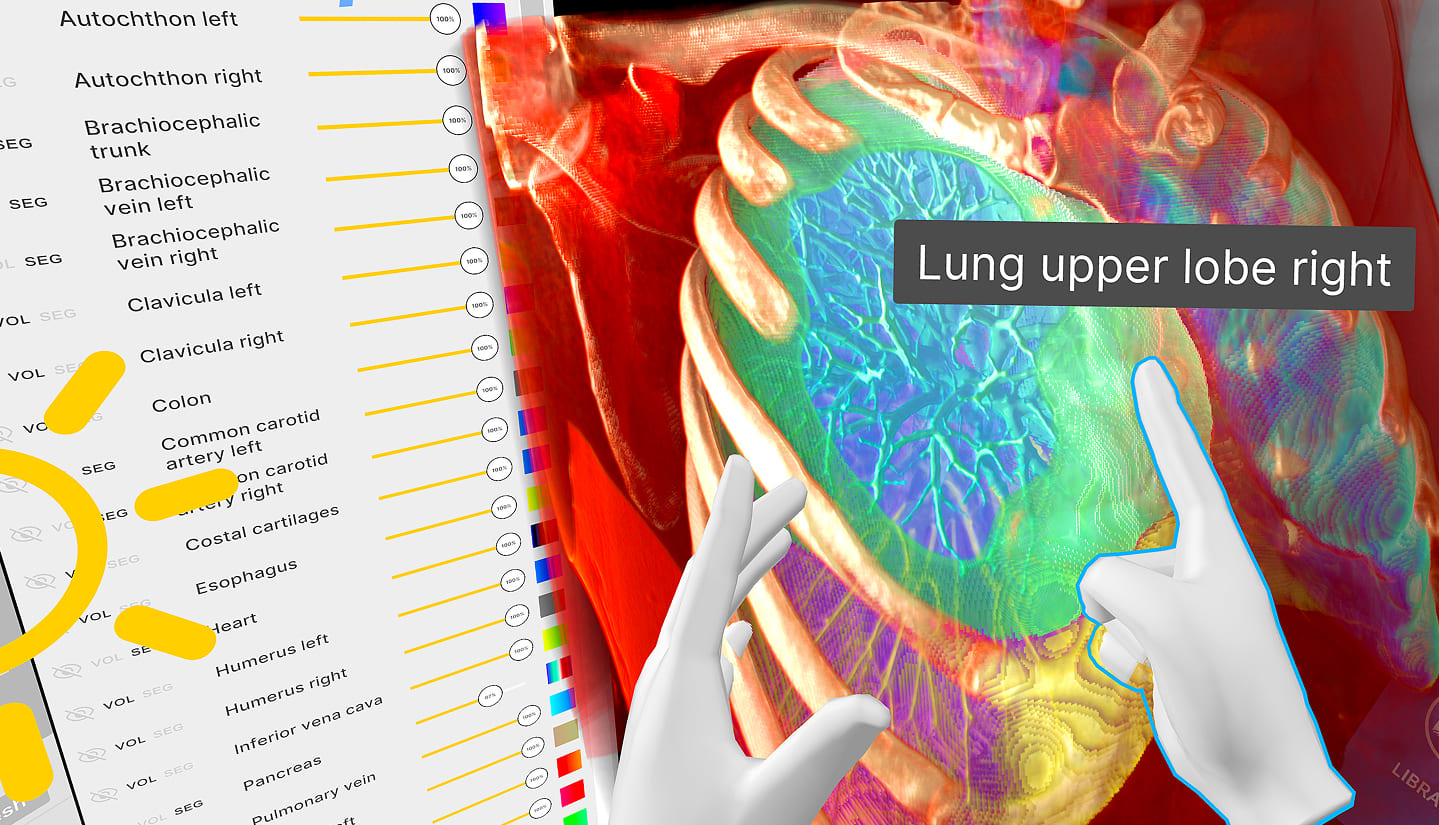
新しいAIセグメンテーションモデル、拡張されたSpatial OSワークフロー、立体3Dディスプレイ、そして学生向け無料アクセス。VR、裸眼3D、標準2Dシステムにわたり、同じプラットフォームから真の3Dで医用画像と解剖学を探索できます。
続きを読む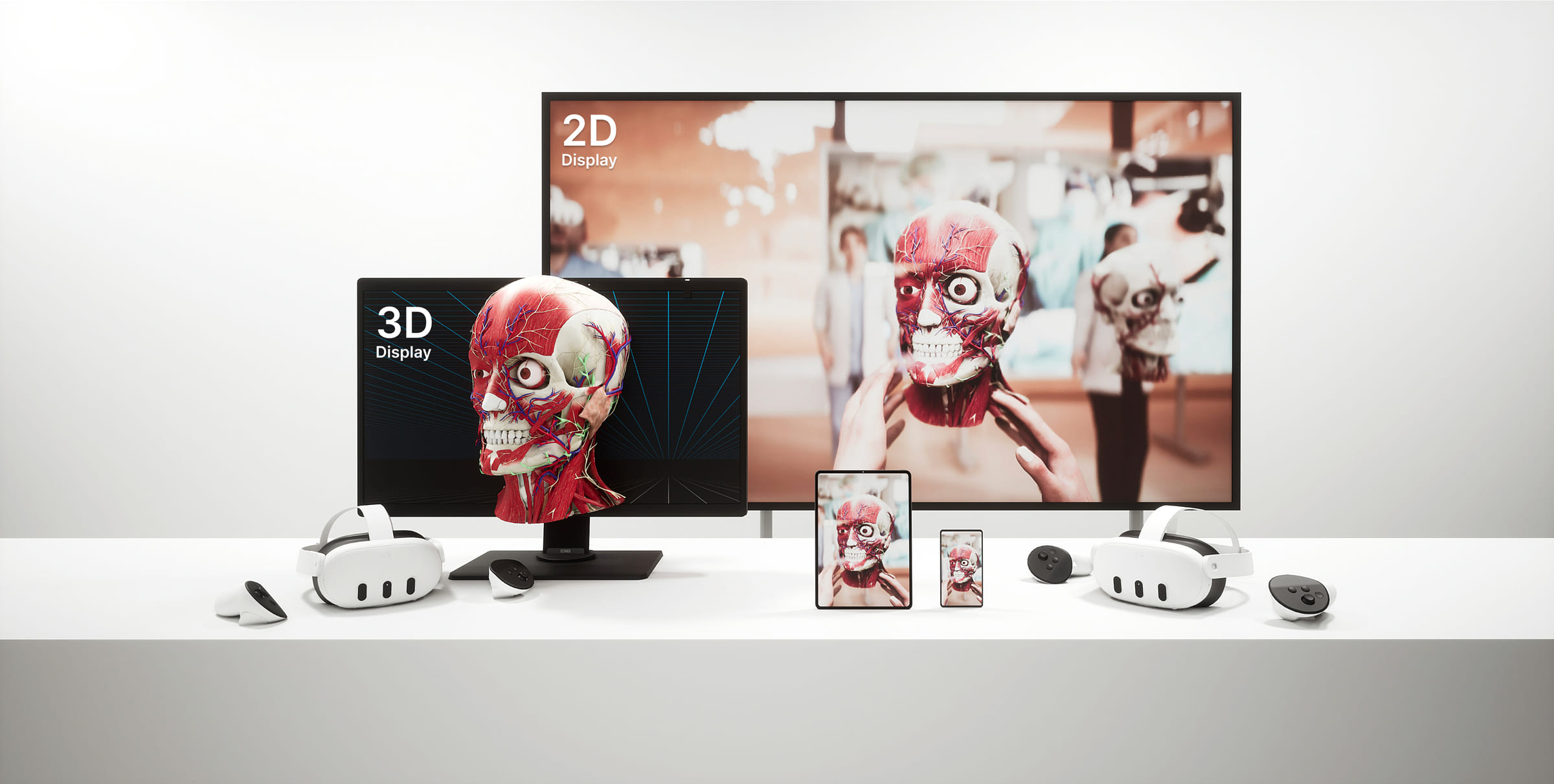 アップデート
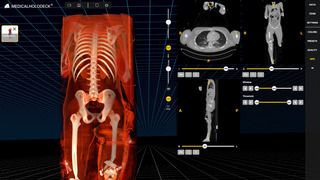
4月アップデートでは、Medicalholodeckが立体3Dおよび標準2Dディスプレイに対応し、新しいTotalSegmentatorモデルを追加、医学生向けに無料アクセスを導入しました。
続きを読む放射線画像は、内部構造を可視化し、患者の病態を理解するために不可欠です。AIは、通常は時間とコストがかかる画像セグメンテーションを自動化できます。この米国テキサス大学サウスウェスタン医学部(ダラス)のレポートでは、公開されているAIセグメンテーションツールと、それらを低コストで迅速に術前計画へ統合する方法をレビューしています。
続きを読む